
As someone who has seen the Delhi of yore -a somnolent city of government babus, Punjabi refugees and small time traders- from close quarters, and loved it from the bottom of his heart, I feel crestfallen at its current predicament. A city with the finest pedigree to boast of: a recorded history extending more than a millennium, and finding reference in the Mahabharta as Indraprastha, it was an abode of relative peace, overflowing with infectious Punjabi bonhomie, and empathy for others that sometimes bordered on interference. This was the city in which I grew up in the seventies and eighties.
But now, alas , the soul of the city and its denizens, which used to beat even for strangers, has been damaged by the ever intensifying forces of selfishness. Even the social fabric is being torn asunder, as frightening disparities emerge, with a few milking the benefits from the shrinking opportunities the city has to offer. The days when young boys and girls could play in open parks to their heart’s content, without harboring a lurking fear of being assaulted, now seem too distant to have actually prevailed.

Equally disheartening is to see the vast swathes of open space, once resplendent in green, shrink drastically, as the city stands exposed to the worst kind of land grabbing possible, with slums, hawkers, street vendors and public land encroachment erupting as festering sores on its body – all made chronic by unscrupulous land sharks, their appetite enhanced manifold by a burgeoning population. The free flowing and sparse traffic on its broad, tree lined avenues has metamorphosed into a frightening nightmare of congestion and insanity, whereby earlier unheard of terms like ‘road rage’ have made their entry into the lexicon. The majestic Yamuna, which, not too long ago, was the pride of Delhi, as it meandered on its Eastern flanks, has been treated with such contempt, that now it is nothing more than a toxic sewer.
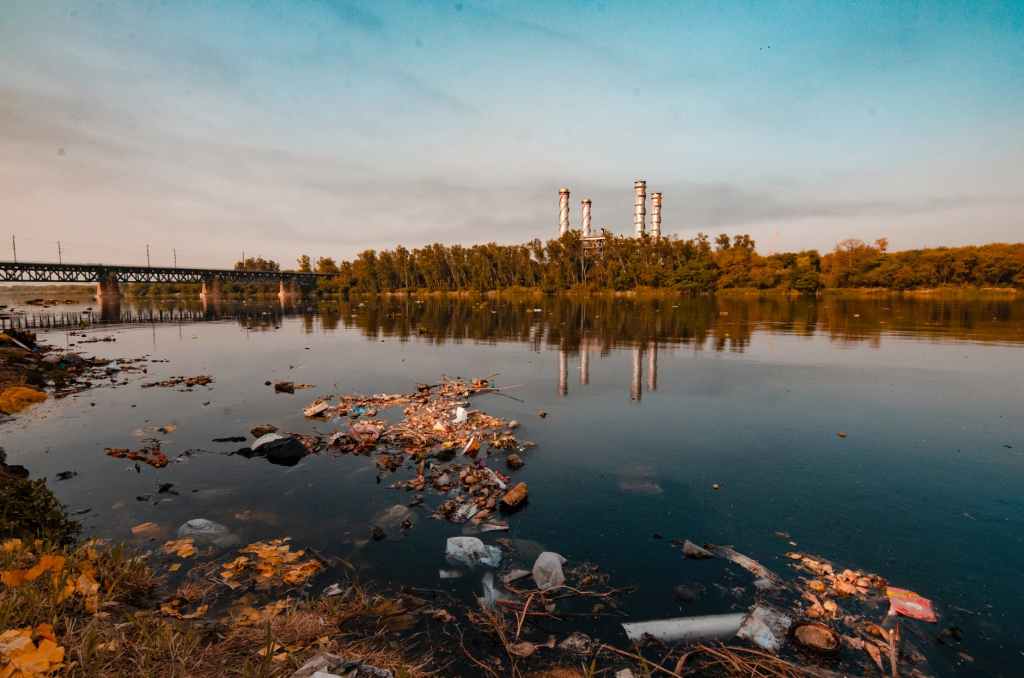
The blessed gift of fresh water, sprouting from Earth’s bosom has been exploited so avariciously, that it has led the city to the edge of a horrendous and seemingly irreversible precipice.
Unfortunately, the list of ills plaguing the city seems to get longer every time I assess it afresh.
As a longtime and passionate lover of Delhi- the city whom the famous author Khushwant Singh used to refer as a whore, with many exploiters, but no genuine lover over centuries- I often commiserate at the loss of this priceless heritage, particularly when I am at the receiving end of this senseless decline. Like it happened one evening, a few years ago, when I was stranded in a terrible traffic jam at the intersection of National Highway 8 and Mahipalpur.
The road, which is one of the main arteries connecting the International Airport to the city, and ideally should have showcased the very best our nation has to offer, is half a kilometre of unbridled urban decay, where stray cattle jostle for space with the latest cars, unplanned- presumably unauthorized- buildings protrude onto the road, leaving a constipated view of the sky, cluttered with a maze of overhead wires and where hapless pedestrians (which includes school children, as the stretch houses a government school) are left at the mercy of rogue buses, driven with utter callousness and disdain for safety. The chaos is exacerbated by the presence of hordes of beggars, who dangerously crisscross the road at all times. The worst scenario plays out as half-clad girls proliferate near Republic Day and Independence Day, to sell small paper flags to prying onlookers. These are some of the factors which make this stretch rank very high on my personal chart of catastrophes unleashed on the city.
As a generally pessimistic person at the best of times, I have long accepted the fate of the city as being beyond redemption. So, as I sat in the car, bored stiff due to the pandemonium unfolding outside, even as the minutes passed by excruciatingly and with nothing else to do, I gazed towards the sky, and through the misty winter twilight and the ugly jigsaw of overhead wires, saw a peacock, wings spread majestically , perched at the edge of a street light pole. From its vantage location, high above the maddening crowd, it presided on the anarchy below, possibly bemused. Earlier, it was common to see birds of all hues, like the sparrow, mynah, parrots, vultures and eagles flourish in the pristine Delhi skyline, but now they are rarely to be seen, having more or less vanished, like hope fading from a dying heart.

The unexpected sighting of the splendid bird momentarily transported me to my childhood, a childhood I wish for all children of my beloved city – for now, and posterity. As the traffic eased and I moved onto National Highway 8, I realized that this will only remain a wish, until wishes become horses, and peacocks dance on decaying Delhi roads.


 Musings of a Delhi Boy
Leave a comment